
A Model of Efficiency
cyclingessayI’m riding my bike up a steep hill (1 of 13 for the day), and I am simply hating myself.
I told my doctor once that my body on a hill burns through its fuels in order: carbohydrates, then fat, then ketones. After that, I switch to self-loathing. It’s the most renewable energy source I have. I could climb a thousand feet on it alone.
Kent, then Kendall, then Celadine. Three street names stitched into one hill, a third of a mile at 14.3 percent. That number does not sound like much. It works out to a little over eight degrees.
I’m a bit husky these days. At my last endurance race I weighed 155. Now I’m 190, and I’m going to pay for every one of those thirty-five pounds. I’m hauling cargo. On this hill alone, the cargo pulls me backward with an extra five pounds of force, every foot of the way up. Three years ago, in my peak cycling shape, I bought Rapha, the ultimate yuppie cycling kit. Size medium. Today I’m wearing something hideous off Amazon. The fabric is cheap. And it’s an extra large. The physics charges me for thirty-five pounds, but the shame is a force multiplier.
My heart hasn’t beaten this fast since 1996, when my soccer coach made us run laps and wouldn’t let us quit. Coach Dennis Doll would always say, “Are you hurt or are you in pain? There’s a big difference.”
I’ve done other endurance events with climbs, but nothing like this. These hills are absurdly, absurdly steep, often cobblestone. My heart doesn’t know where to pump. Should the blood go to the legs, the heart, or the brain? At the top, I wheeze and wheeze and shake and shake. Then I throw up. Kodiak protein pancakes with blueberries, made for me by my wonderful sister-in-law, onto a cobblestone street. The blueberries roll into the grooves between the stones.
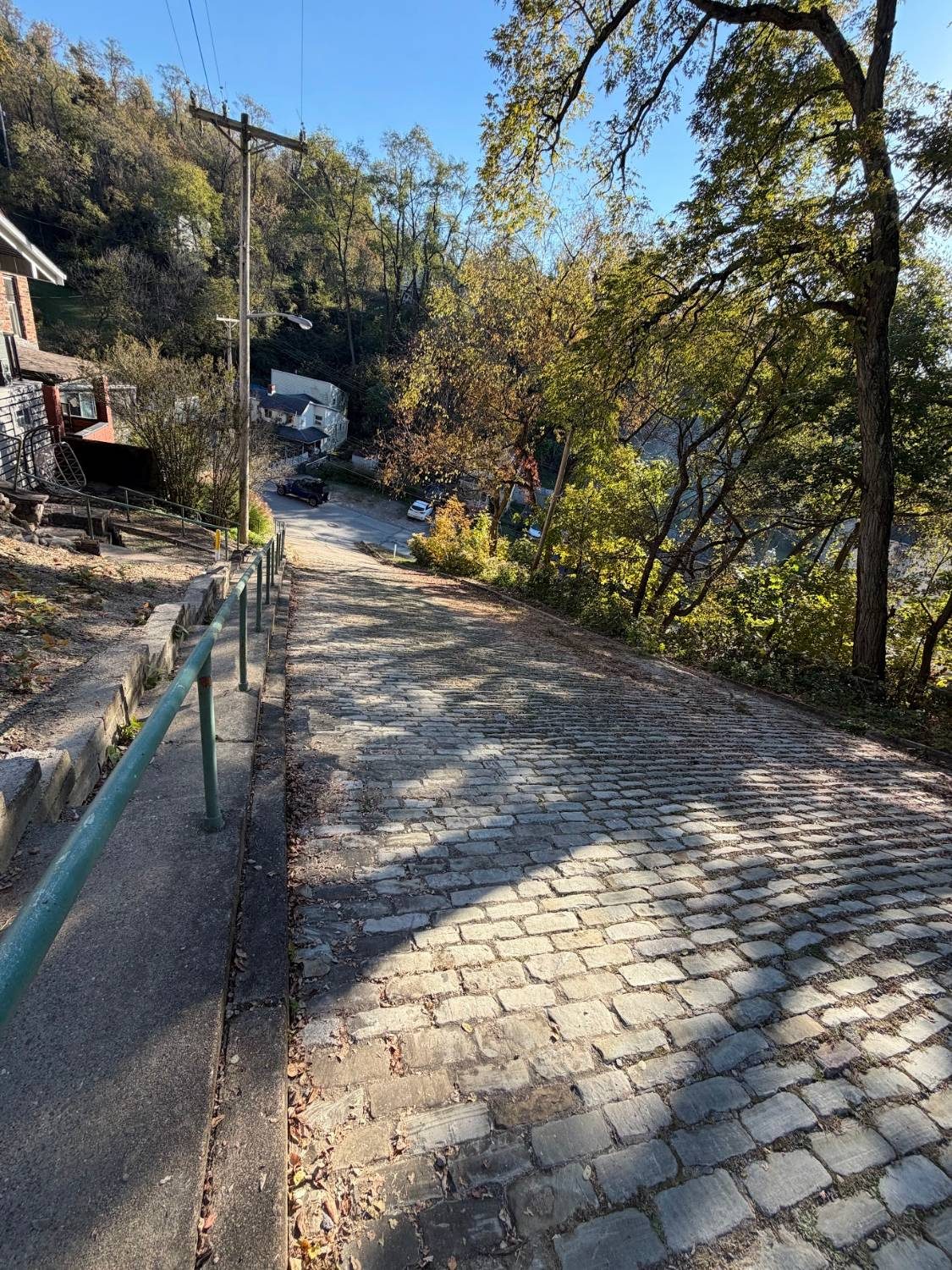
It is the first of two that day.
I signed up three months earlier, sitting down, rested, with a cup of coffee. On Peaks Island, Maine. I did a few laps around the island with a moderate climb and thought, “I can totally do this.” When you’re on vacation in Maine, your brain can wander into delusions of grandeur. That is the only condition under which anyone signs up for the Dirty Dozen.
The race was started in 1983 by Danny Chew, with his brother and a friend. Chew was one of the great endurance cyclists this country has produced. He won the Race Across America twice, and he spent his life chasing a goal of riding a million miles, which he took seriously in the way only a certain kind of person takes anything seriously. In 2016, on an ordinary ride outside Akron, he got dizzy, went off the road, and broke his neck. He was paralyzed from the chest down, roughly 783,000 miles into the million. His friends promised him the race would go on. It has.
Thirteen hills. The thirteen steepest streets in Pittsburgh, strung together over fifty-something miles.
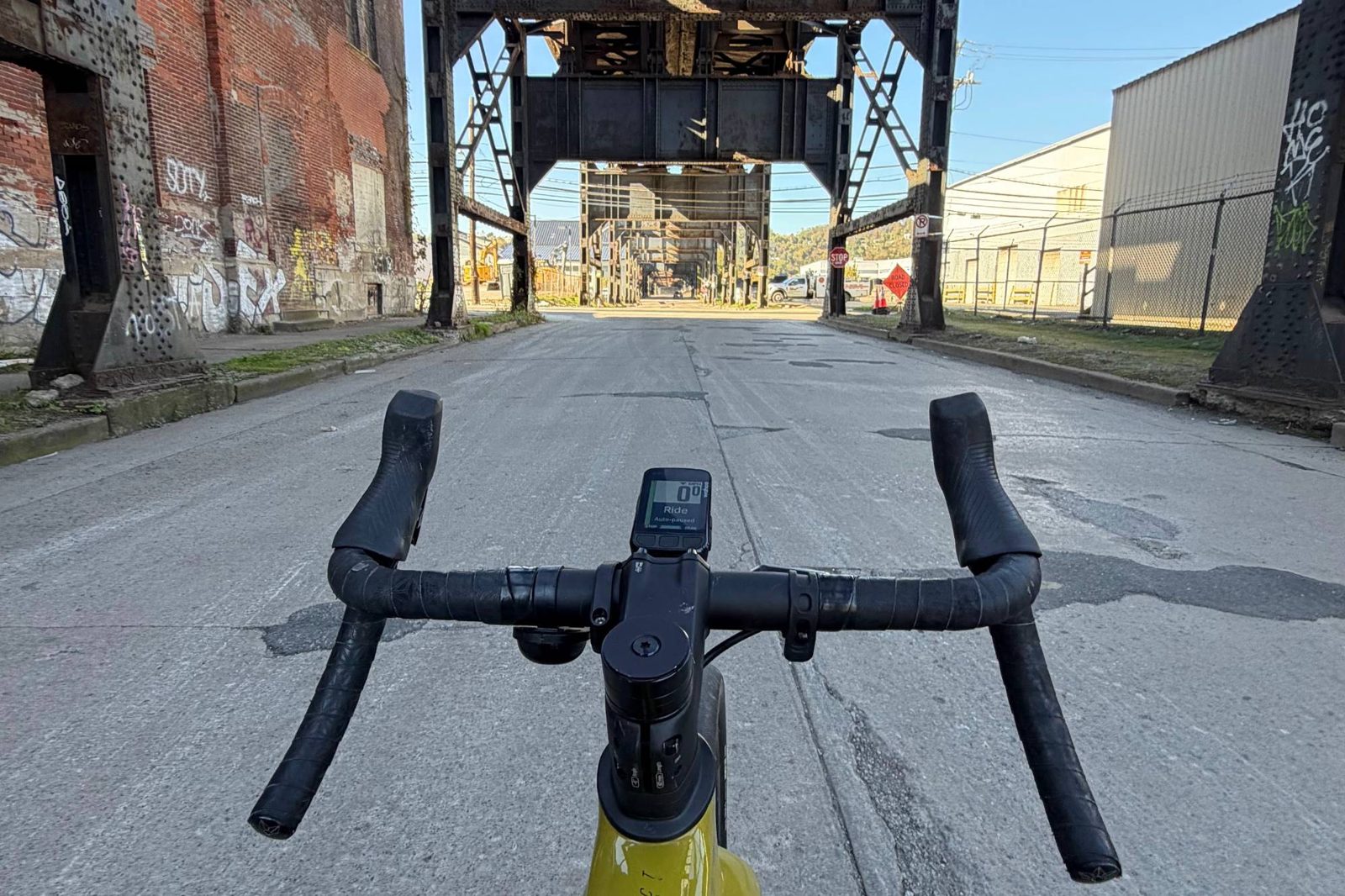
I have been to San Francisco for work. I walked those hills and thought I understood steep. I did not. Pittsburgh is where two rivers meet and make a third, the Allegheny and the Monongahela coming to a point and becoming the Ohio, and everything around is bluff. The city did not flatten its hills to build streets. It just built the streets on the hills and dared you to use them. Some of them go on for the better part of a mile.
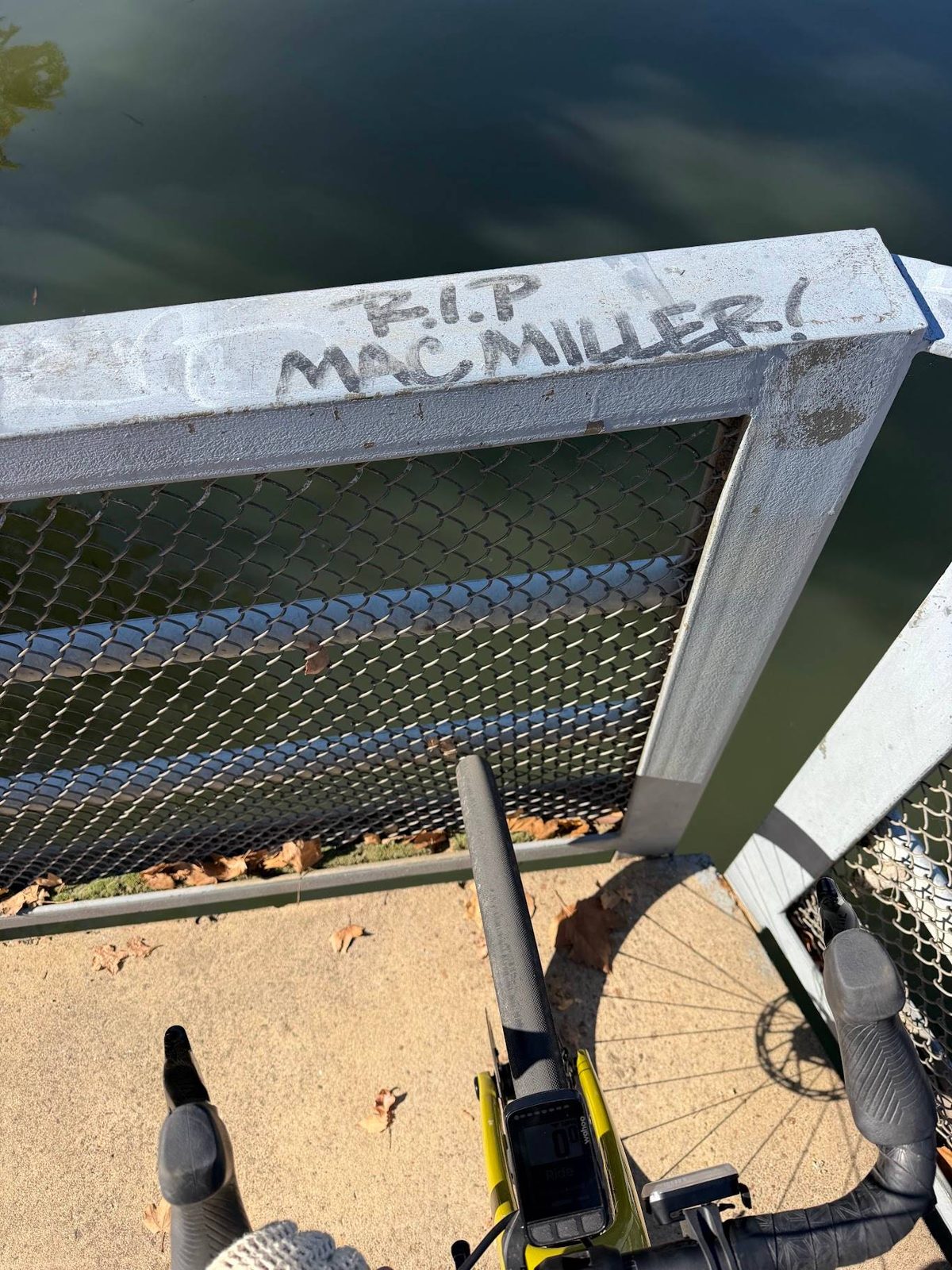
Downhill is gravity handing you energy on credit. Climbing is the repayment, in cash, at the moment it’s due. The Dirty Dozen strips out every way of deferring payment: no lift, no coasting, no stopping. If you put a foot down, you go back to the bottom and start over. That’s the sorting mechanism. The hill doesn’t select for strong people. It selects for people who will keep paying when every system in their body is filing for bankruptcy.
I rode with something called the Party Pack, which is exactly what it sounds like, and I mean that as the highest compliment. A group of people who mostly wanted to find out whether they could do this. Nobody is racing between hills. You roll to the next one at your own pace, you regroup at the bottom, and then everyone climbs.
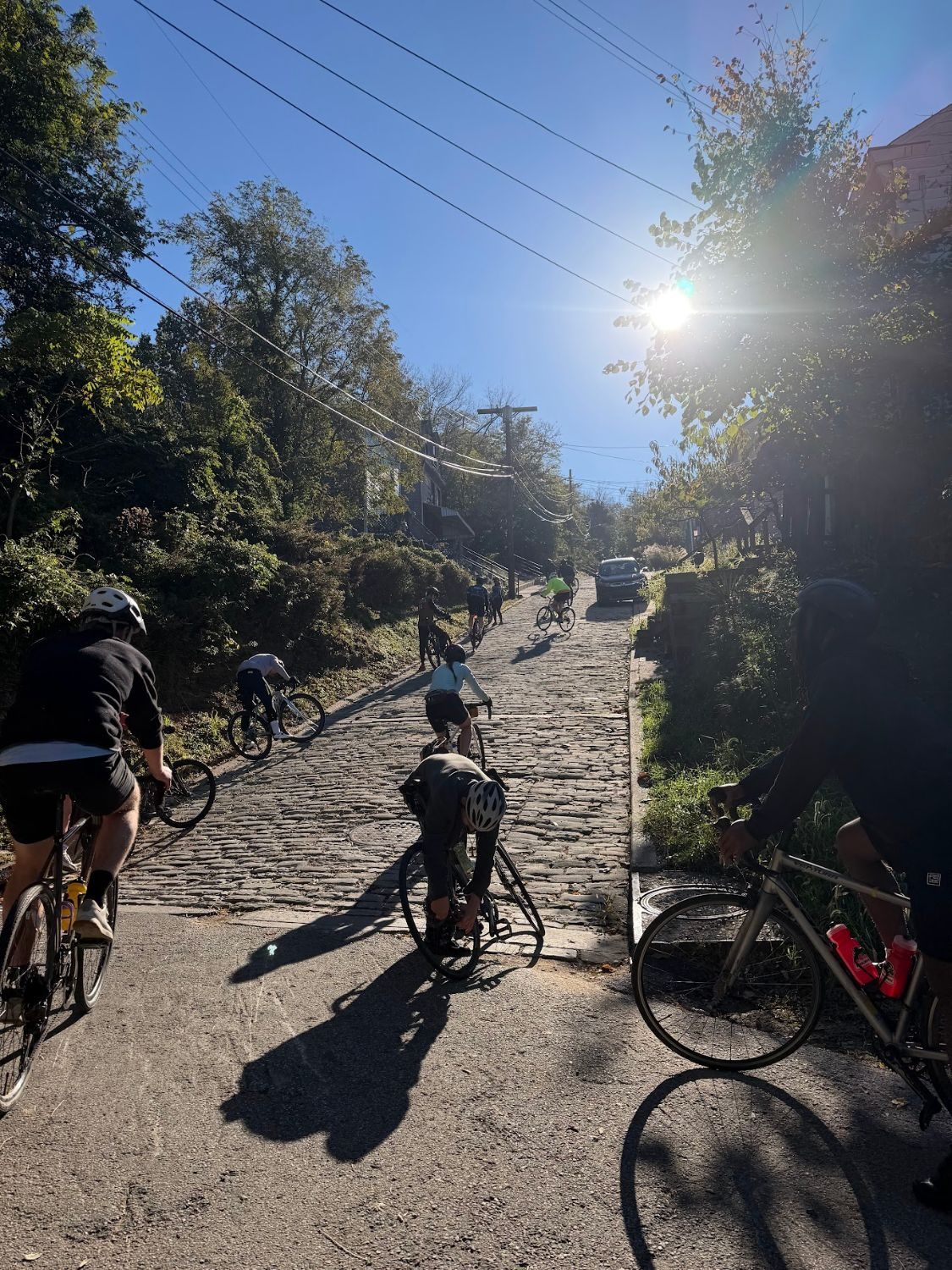
I always tell my kids there are no solutions in life, only trade-offs. The Dirty Dozen is that sentence with a heart rate. Climb a hill fast and you get to sit at the top and breathe while everyone else arrives. Climb it slow and the pack is clipping in to leave the second you crest. The hill charges you either way. It only lets you pick the currency.
This was the hardest physical thing I have ever done.
There were moments I thought I was going to have a stroke. I was breathing so fast that I was losing air with every breath, and it turns out that is not a figure of speech. The first hundred and fifty milliliters or so of every breath fills your windpipe and airways, the plumbing, which never trades any oxygen. Breathe fast and shallow enough and a bigger and bigger share of each breath is just air going up and down the pipe. You can pant yourself short of air.
A pedal stroke is not smooth. Your power comes in pulses, strong when the crank is level at three o’clock and nearly nothing at the top and bottom of the stroke. On flat ground, momentum carries you through the dead spots and you never notice them. On a steep hill, there is no momentum to borrow. At every dead spot, you slow hard. So you mash the next stroke to make up for it, and the mash sends a spike of torque into the rear tire, more than it can hold on the stones, and the back wheel breaks loose and hops. At the same time, you are leaning forward over the bars to keep the front wheel on the ground, which takes weight off the rear and makes it worse. The answer is rhythm. Round, even strokes, never a spike, a cadence that keeps the force at the tire just under what the road will hold. You cannot muscle a hill like this. You have to keep time with it.
And you cannot stop. That is the beauty of it. On the steepest pitch, gravity is pulling you back down the hill with about seventy pounds of force. Stop pedaling at walking speed and you come to a dead stop in under half a second, and a bicycle that is not moving forward cannot balance. You do not get to rest. You get to fall over, roll back down, and start again. Nobody who coasts finishes the Dirty Dozen, because the hill removes coasting as an option. No judge, no cutoff, no clock. Just a slope that only keeps the people who keep pedaling.
Which brings me to Canton Avenue.
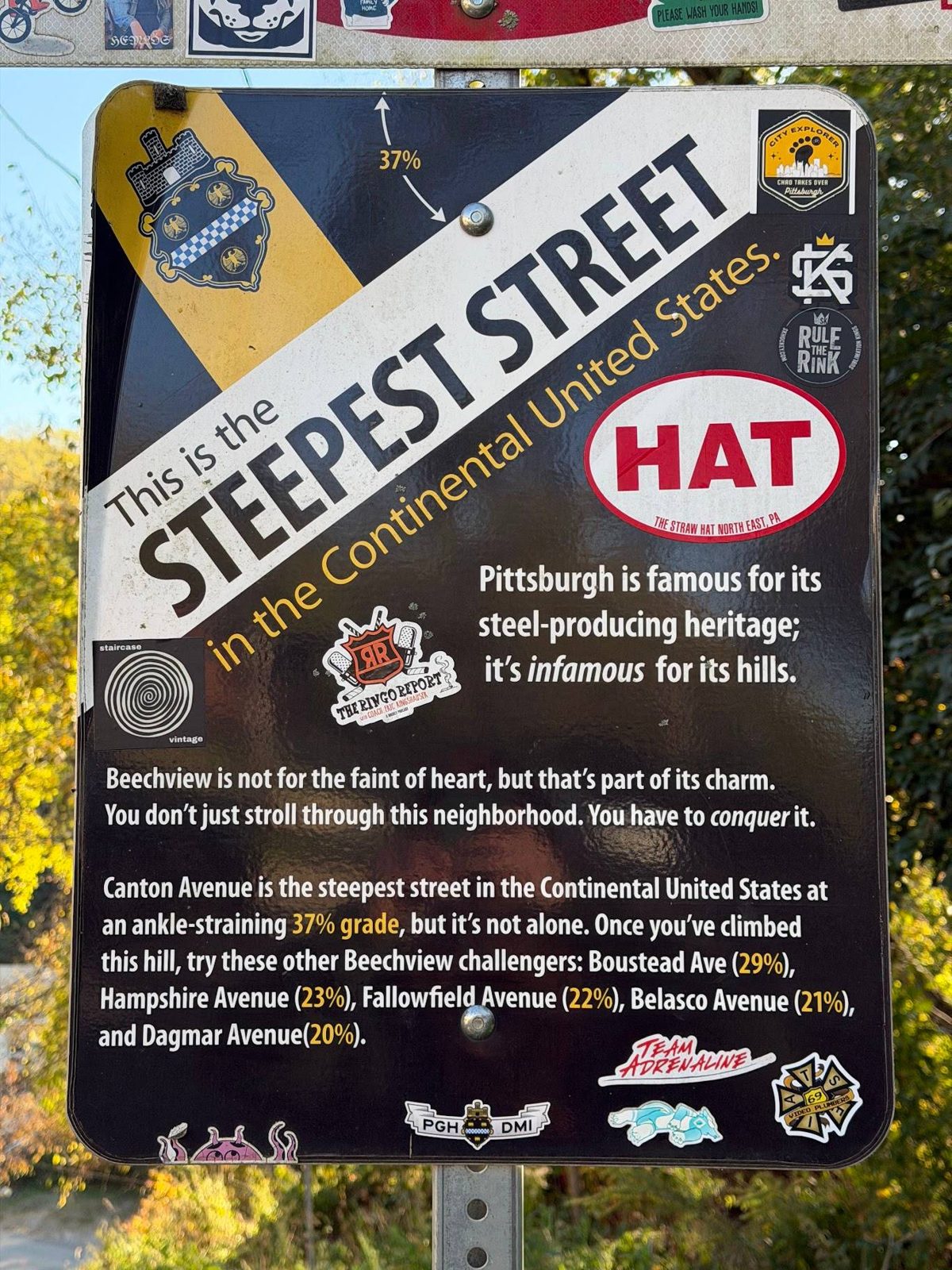
Canton Avenue, in Beechview, is the steepest street in the United States. It is cobblestone. It runs about six hundred and thirty feet at an average of around thirty percent and kicks to thirty-seven at its worst. Thirty-seven percent is about twenty degrees. Twenty degrees sounds like nothing until your front wheel is trying to come up off the stones and point at the sky.
I climbed it. I made it to the top, felt the relief come in like a tide, and looked right.
It was the same steepness again.
So I threw up again. There was nothing left of the pancakes by then, so it was mostly gel packs.
I was able to do ten climbs clean. On the other three, I had to get off the bike, catch my breath, and get back on.
This is a really wonderful event. I met people who traveled from as far as California, Ohio, and Maine just to ride their bikes up a bunch of hills. You meet truly interesting people at these events. Everybody, of every age, just loves riding a bicycle, and there’s something beautiful about that.
The highlight, though, came when the Party Pack was getting ready to leave. A beat-up minivan with a bike rack pulled up, and a bunch of somewhat rowdy teenagers piled out. Not rowdy in a bad way, just having fun, Bluetooth speakers going. They were kids from Pittsburgh. For some reason, I’ve noticed that every charity like this seems to be run by an old white dude with a ponytail. I don’t know why. It’s just something I’ve noticed over the years. As you get older, you can become a crank, a busybody, or you can take the enlightened path. These men always take the enlightened path: they give back and help others.
The group was called Pittsburgh Youth Outreach, a nonprofit that helps underprivileged kids get into cycling. I talked with some of the young men in the program. One of them told me that over the summer they biked from Wyoming to Alaska, and that it was the most amazing experience of his life. In middle age, I’ve seen a lot of scamming and graft, nonprofits included, but this genuinely made me happy. I’m going to donate to them.
I recommend you do too: pmtcc.org/about-us/major-force