
Same Brains, Higher RPMs
essaypoliticsmediaI was rereading Tom Wolfe's Mau-Mauing the Flak Catchers recently. Not for a class. Not for a reason. I just do this. I go back to the old stuff to see if it still works, and it always works, which is the depressing part.
Wolfe wrote that essay in 1970. It describes a San Francisco poverty office and the people who learned to game it. You could file it today with new names and nobody would notice. Nothing in it has expired. That is not a compliment to us.
Mencken is the same experiment with a longer baseline. A hundred years ago he was writing about the same country, the same appetites, the same crowd talking itself into things. Change the references and it reads like it was posted this morning. I keep expecting these texts to feel dated. They never do.
The reason is boring and permanent. We have the same brains. Eighty-six billion neurons, a hundred trillion synapses, and the hardware has not been upgraded since before we had writing. Human beings do not change. What changes is the equipment we hand them. The equipment is the only variable. New tools arrive, everything gets a little faster, then a lot faster. The nature stays put and the speed goes up. A hundred years of history in one sentence, and Wolfe and Mencken are proof the sentence does not need editing, only reformatting.
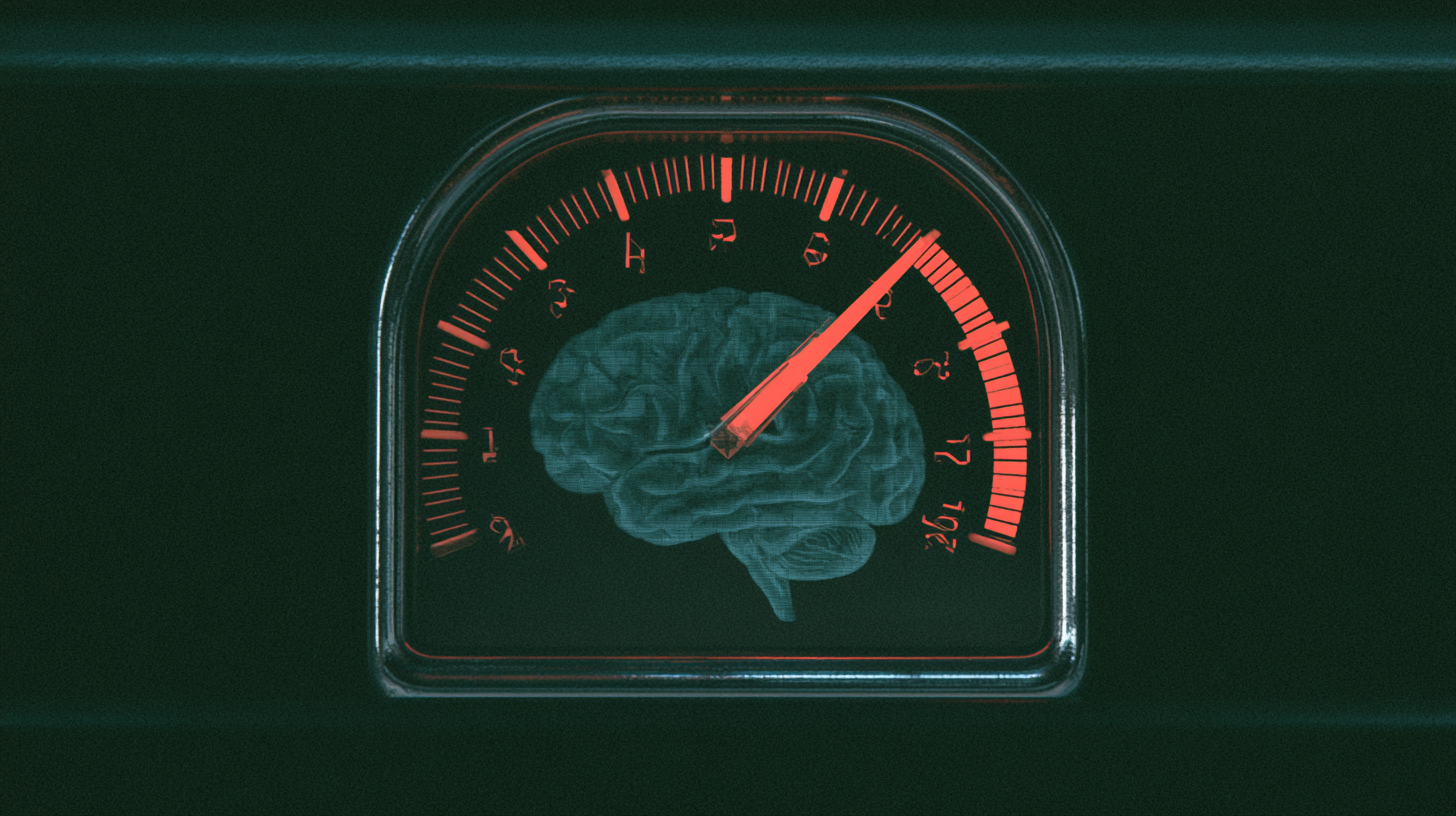
Even the chemistry is unchanged. Same neurotransmitters, same receptors. What we have gotten good at is adjusting them. Serotonin reuptake inhibitors, Adderall spiking the dopamine, half a dozen compounds working the norepinephrine. We have improved the delivery systems too. Caffeine in pouches. Nicotine in pouches, nicotine by vape, nicotine by spray, nicotine by gum, the same molecule coming at the receptors from every direction until the neurotransmitters blow out like cheap speakers. And the THC is not what it was in 1970. None of it changes anything. We just found ways to overclock the dumb brain we already had. Same brains, higher RPMs.
Politics was discussed in my house growing up, which is a polite way of saying it was always on. One of my core memories is playing pepper with my sister, bump set spike dig, in front of the Clarence Thomas hearings. I learned what was allegedly on the Coca-Cola can at an age when Coke was still a treat. Nobody paused the game.
By high school it was a habit with a syllabus. I have been watching politics on purpose since 1997, the year I took dual-enrollment constitutional history and AP Government, and something clicked that never switched back off. The timing did not hurt. This was the height of the Clinton years: Gingrich, the impeachment machinery warming up, the Arkansas Project. I remember all of it vividly, the way other people remember pennant races.
About Clinton, a side note. My mother and I saw him speak at the University of Florida around 2002, well after Lewinsky, after the record was complete and everyone had read it. She watched him work the room and said, I still love him. She was not confused. She knew everything, and the knowing did not matter. The response to charisma ships with the hardware, and no update has ever removed it.
I do not watch sports. I stopped in 1995, two years before the politics formalized, and I have never missed it. You get eighty-six billion neurons and a hundred trillion synapses in this life. I did not want one of them wired to a scoreboard. I wanted them wired to this.
I was a low-level person on a Democratic committee in New Jersey for two years. Being at the low level is interesting because you're still on high-level emails. You go to fundraisers, you go to meetings. You see how the whole thing operates. The lowest level is honestly the best place to look at it. You see the thing move from the abstract into sharp focus and then into sharper focus, and you are close enough to the machinery to hear it grind but not important enough for anyone to bother performing for you.
And I have watched one particular thing happen up close, following it online since the Obama years. Ideas that lived in academic departments got out. They moved into the general public, then into corporate America, and the whole trip took about a decade. The 2010s were the delivery system. What used to take a generation to travel from a seminar room to a boardroom took a few years, and by the end it took a few months.
That is the acceleration. Not new ideas. Old dynamics running on faster wires. Wolfe watched a poverty office learn that staged conflict pays. The office is gone. The lesson survived, went online, and now runs at a speed Wolfe could not have pictured, on a machine he would have recognized instantly.
So I reread him and Mencken not out of nostalgia. I reread them because they are still accurate, and because being accurate for a hundred years is the most damning thing you can say about a species. The brains do not change. Somebody just keeps handing them a faster phone.